

Personalized Skincare is Booming – But Does It Really Work?



The concept of personalized skincare started to gain traction in 2019. However, back then, although it was a revolutionary idea, it was still very inaccessible to the masses.
Now, things have changed. More and more brands are jumping onto the personalized skincare bandwagon, with these products promising to provide better results than the more ‘generic’ alternatives.
It’s only natural to feel dubious about this. After all, take a deep dive into many of the other skincare trends out there, and you’ll find that the majority of them don’t have anything substantial behind them. They may be great ideas, but they don’t yet have any science to truly back them up. This means that wholeheartedly embracing them could leave your skin in a world of trouble.
Is this the case with personalized skincare, or do these custom products really work? Read on as Vivo Per Lei investigates.
What is Personalized Skincare?
Personalized skincare is a slightly ambiguous term as it can refer to a couple of different concepts.
The first is when brands make use of digital consultations to find out more about your skin. Whether this means you fill out a simple online quiz or input information into a more in-depth AI system, the results will then dictate which products are recommended to you. Although the products themselves won’t be individually personalized to your skin, the routine that you end up with will be.
The second, and most innovative, avenue that personalized skincare has taken is when individual skincare products are formulated specifically for an individual. Again, information is often gathered via an online questionnaire. Some brands also require a video call or face-to-face consultation with a dermatologist. After this, a dermatologist or pharmacist would create a custom solution for that individual. The product would contain specific ingredients/concentrations that would cater to the unique needs of that person’s skin.
Does Personalized Skincare Really Work?
It’s easy to see why personalized skincare has become such a popular concept. Experts even say that it’s one of the most influential beauty trends when it comes to shaping the future of the skincare industry.
While this may be the case, there are still many skeptics out there, and for good reason. There are a few issues with personalized skincare that aren’t often discussed. This leaves people to believe that it’s the best way forward when there might be better options for them.
So, what’s the problem? Primarily, it comes down to the fact that many of the personalized skincare services out there aren’t as personalized as one would like to believe. It’s very rare for someone to actually be sitting in a lab, creating products from scratch each time someone takes a quiz. Yes, there are a handful of brands that claim to offer this service. However, with a lack of regulations surrounding the personalized skincare market, it’s difficult to ascertain just how personalized those products are.
You also need to consider the fact that an online quiz will be lacking in many ways. Some skin conditions fall on a spectrum. An online questionnaire won’t be able to identify those problems in the way that a real-life professional would. While AI can help, AI software isn’t completely fail-proof either. It’s still very much in its developmental stages, meaning that mistakes can be made. This can lead to inappropriate skincare suggestions.
Other Ways to Personalize Your Skincare Routine
While brands selling personalized skincare products may lead you to believe that custom formulas are the only way to achieve a flawless complexion, this isn’t the case at all. Instead, there are other ways in which you can personalize your skincare routine yourself:
Start With Your Skin Type
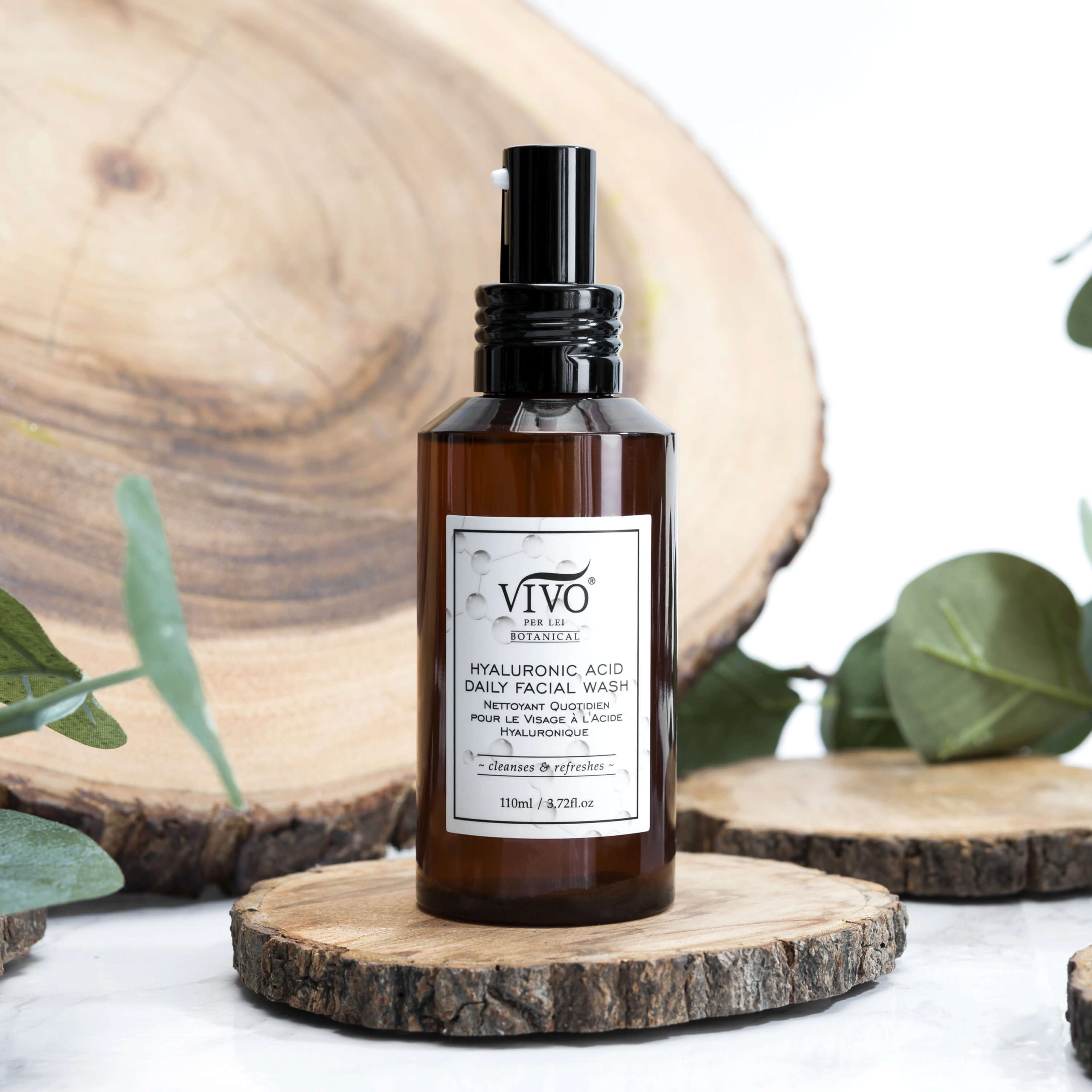
The best starting place when trying to personalize your skincare routine is your skin type. This is also the very first thing that personalized skincare quizzes and AI software will attempt to determine. It significantly influences which products you should and shouldn’t be using.
The good news is that you don’t need any tech to identify your skin type. Simply wash your face with a gentle cleanser (the Vivo Per Lei Hyaluronic Acid Daily Facial Wash is perfect for this) and then leave it bare for half an hour. After this, take a good look at your skin. If it looks shiny, feels greasy, and your pores are quite noticeable, this indicates oily skin. Dry skin, possibly with flaky patches, that feels uncomfortable, is a sign that your skin type is dry. A mix of both signifies combination skin, while a red and irritated complexion could mean that you have sensitive skin.
What should you do with this information?
Use it to guide your skincare choices. Many products will be suitable for dry skin but not oily skin, and vice versa. Oily skin needs lightweight skincare that doesn’t clog pores, whereas dry skin needs richer and heavier formulas. Combination needs a bit of both, while sensitive skin does best with products that calm the feeling of inflammation and irritation, like the Vivo Per Lei Aloe Soothing Facial Serum.
Identify Your Main Skin Concerns
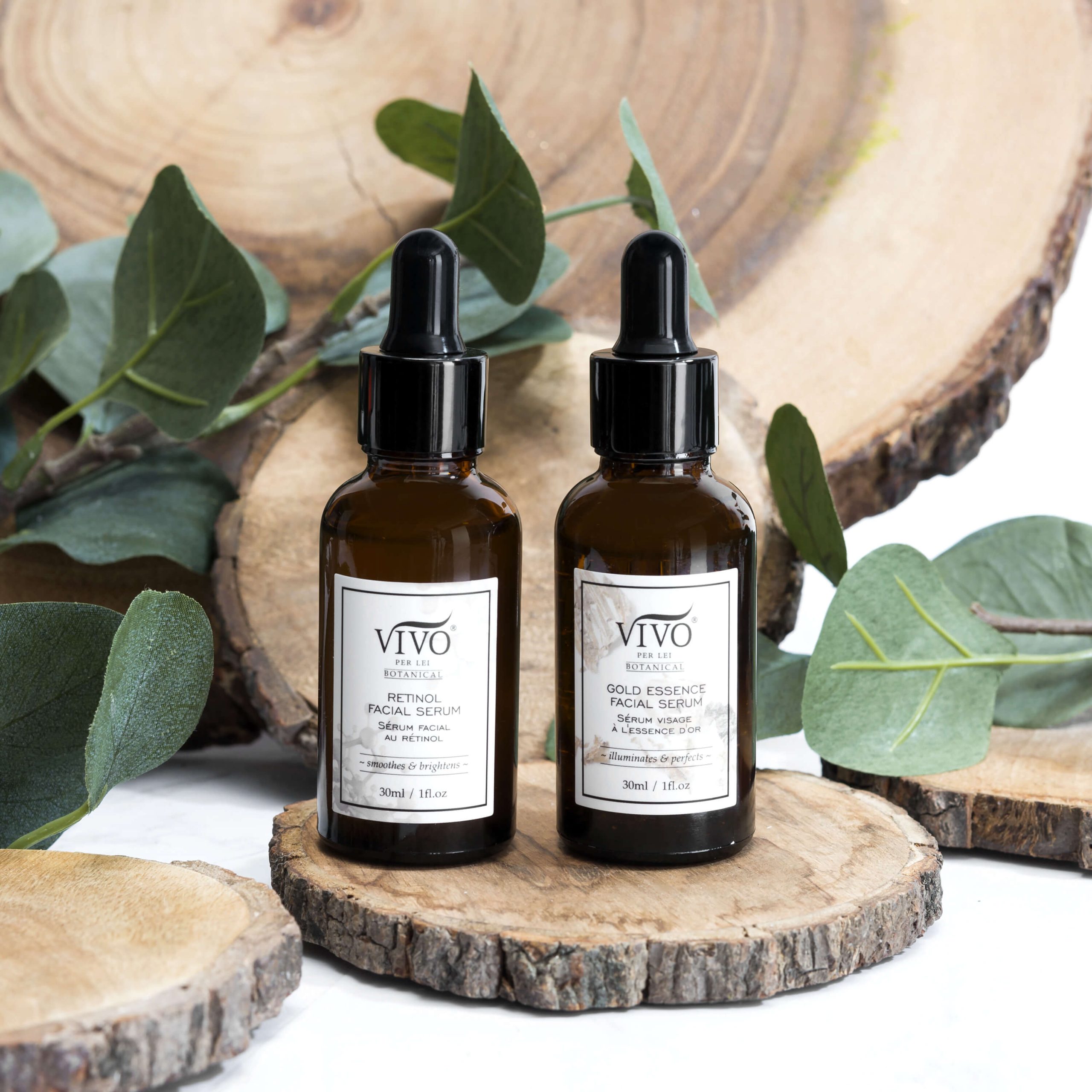
In addition to considering your skin type, personalized skincare should also take skin concerns into account. These are issues that are faced by all skin types, such as the appearance of wrinkles, dark spots, and puffiness.
Again, this will help to narrow down the many options out there when shopping for skincare. For example, if you’re trying to soften the visibility of wrinkles, retinol and other antioxidants, like those found in the Vivo Per Lei Radiant Glow Facial Duo, should heavily feature in your skincare routine. On the other hand, if you’re hoping to minimize the appearance of dark circles or puffiness under your eyes, this means that you’d likely benefit from adding an eye cream, such as the Vivo Per Lei Collagen Eye Firming Cream, to your skincare routine.
What happens if you have several skin concerns that you want to address? Avoid over-complicating your skincare routine. Find multi-tasking formulas that are able to cater to all of your needs. Alternatively, prioritize a few of your issues and focus on those to start with.
Recognize the Differing Needs of the Different Areas of Your Face
One thing that many of the more basic personalized skincare services fail to take into account is that, sometimes, different areas of your face will have different needs. This is always the case for combination skin. Some parts of your face will be oily and others will be dry. However, this is something that other skin types will experience too. Your hyperpigmentation may be concentrated on your forehead, or your dryness may only affect your cheeks.
If you really want to personalize your skincare routine, consider treating each of those areas individually. With the example above, this could mean using a dark spot solution only on your forehead, and then double moisturizing your cheeks each night to provide some extra hydration. Understanding your skin’s needs in such an in-depth way will enable you to really hone in on the perfect skincare routine.
Consider Environmental Factors
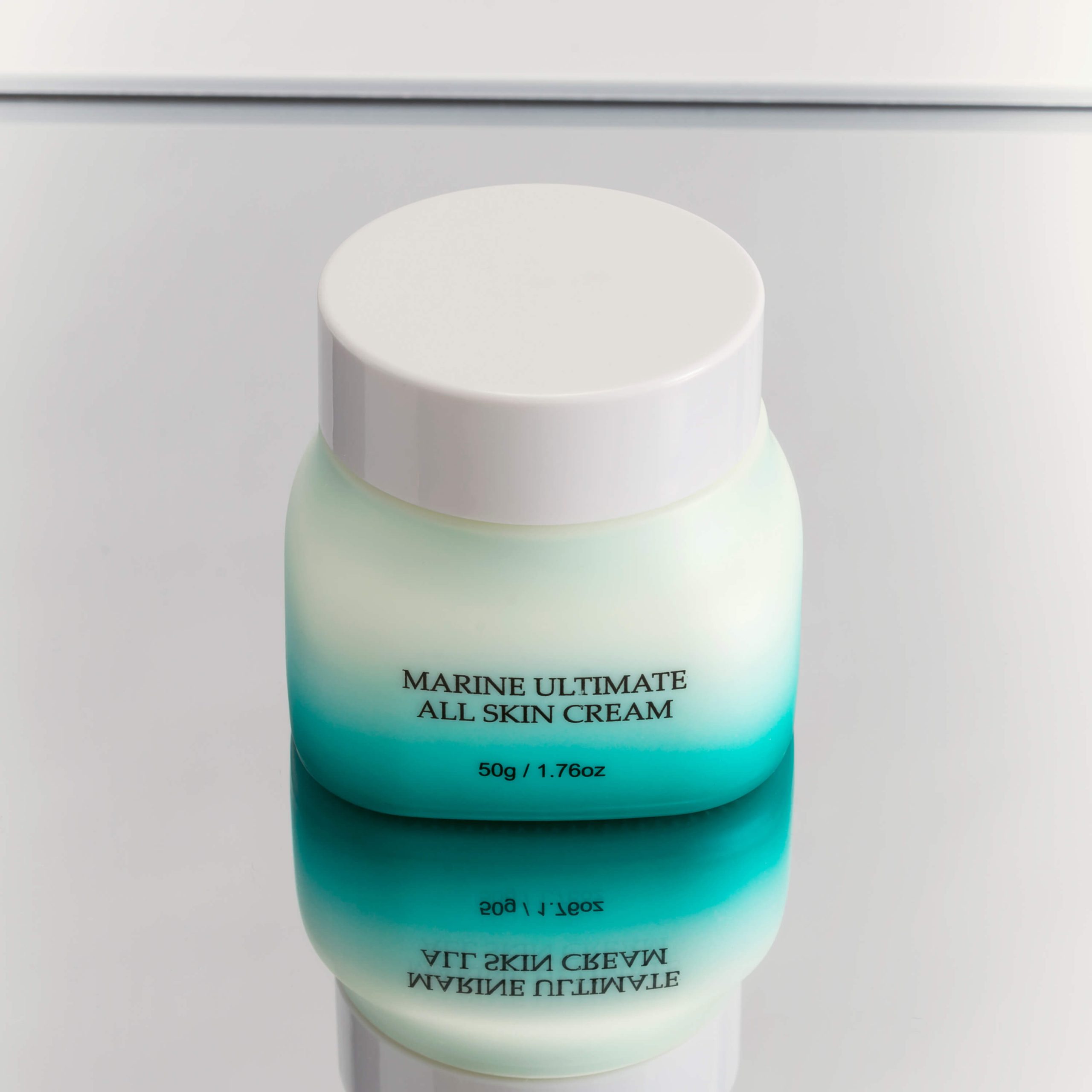
With skincare software developing at an astounding rate, it shouldn’t come as a surprise that, in addition to considering your skin’s needs when personalized recommendations and products are being offered, it also takes environmental factors into account. This is something else that you need to do if you want to fully personalize your skincare routine.
Start by considering the time of year. Summertime skincare requires hydrating but weightless formulas since sebum and sweat production will be on the rise. A light face cream, like the Marine Ultimate All Skin Cream, would be better for the summer season than the heavier formulas you were using in the winter.
Pollution makes a difference too. With pollution being known to accelerate inflammation, oxidative stress, and more, those who live in a polluted area will need a skincare routine that accommodates this. Plenty of antioxidants are a must, and double cleansing may also be needed in the evenings.
Try Turning to AI
Even if you don’t want to sign up for a personalized skincare service, there’s nothing stopping you from turning to AI yourself. It can be a great tool for finding out more about your skin. While ChatGPT and other similar apps may not be quite as targeted as dedicated skincare software, it’s still a great starting point if you’re looking for product recommendations.
With that said, don’t take everything that AI says at face value! Remember that this technology is still very much in development. Mistakes can still be made, which is one of the reasons why personalized skincare hasn’t fully taken off yet. Use it as an additional resource to create your own personalized skincare routine.
Have Fun Experimenting…But Take it Slowly
While some people are lucky enough to stumble upon the perfect combination of skincare products the first time around, most aren’t quite so fortunate. Instead, putting together the perfect personalized skincare routine usually requires some trial and error. This is something that you’ll need to be prepared for.
While experimenting with skincare can be lots of fun, you don’t want to end up aggravating your skin in the process. Leave it a couple of weeks between introducing each new product to your skin. Listen to your skin – closely watch how it reacts to any new products you use. If it doesn’t seem to be happy, stop using that product, no matter how much you may like it!
Patch testing new products is essential too. This will give you a chance to see how your skin is going to react to a new product before you go and apply it to the entirety of your face.
Summary
While people may be getting excited about the idea of personalized skincare, the concept still has a long way to go before it’s truly helpful to the mainstream market. In the meantime, there’s nothing stopping you from personalizing your skincare routine yourself, and the tips that we’ve shared above should help to get you started!
Click here to add more Vivo Per Lei bestsellers to your skincare routine.