
Dry, Dull, or Tight? How to Support Your Skin in Winter


Moisture loss is one of the biggest battles that the skin faces in the winter. Although this happens year-round, it speeds up significantly in the colder months, leaving the skin parched. This lack of moisture not only causes dryness and an uncomfortably tight feeling, but it also results in a dull and lackluster complexion.
Fortunately, there are a few steps that you can take to support dry winter skin, ensuring that it receives all of the moisture that it has been missing out on. Keep reading as Vivo Per Lei explains why moisture loss is such a problem in the winter, along with what you need to do to counter it and restore your skin’s glow!
Why Does Moisture Loss Increase in the Winter?
The skin loses moisture throughout the year in a process called transepidermal water loss (TEWL). This is when water evaporates out of the skin and into the air. In the winter months, the rate at which this occurs significantly increases due to the combination of a few different factors:
- Lack of humidity – winter air is drying, meaning that it doesn’t contain as much moisture as humid air. As soon as your skin comes into contact with dry air, the difference in moisture levels causes moisture to be pulled out of your skin even faster. This happens indoors as well due to indoor heating systems drying the air out, meaning that your skin never really gets a break from this.
- Cold winds – bitter gusts strip away the skin’s natural protective barrier. The role of this barrier is to keep moisture locked into the skin. When the barrier isn’t performing as it should, TEWL speeds up, resulting in dry winter skin.
- Less sebum – cold temperatures suppress sebum production in the skin. This means that the skin produces less oil in the winter. Oil is a key component of your skin’s natural barrier. Without enough oil, barrier function weakens and moisture retention suffers.
- Hot water – while people indulge in hot showers year-round, they feel particularly satisfying on a cold winter’s day. Hot water, however, strips away the skin’s protective barrier, speeding up TEWL.
Replenish Lost Moisture
The first step to countering dry winter skin is to work on replenishing some of the moisture that it’s constantly losing. To do this, you’ll need to ensure that your winter skincare routine contains plenty of hydrating ingredients. Humectants, which are ingredients that bind moisture to the skin, are what you should be looking out for. Hyaluronic acid, glycerin, aloe vera, and others all have a reputation for being exceptionally hydrating, and this is due to their humectant properties.
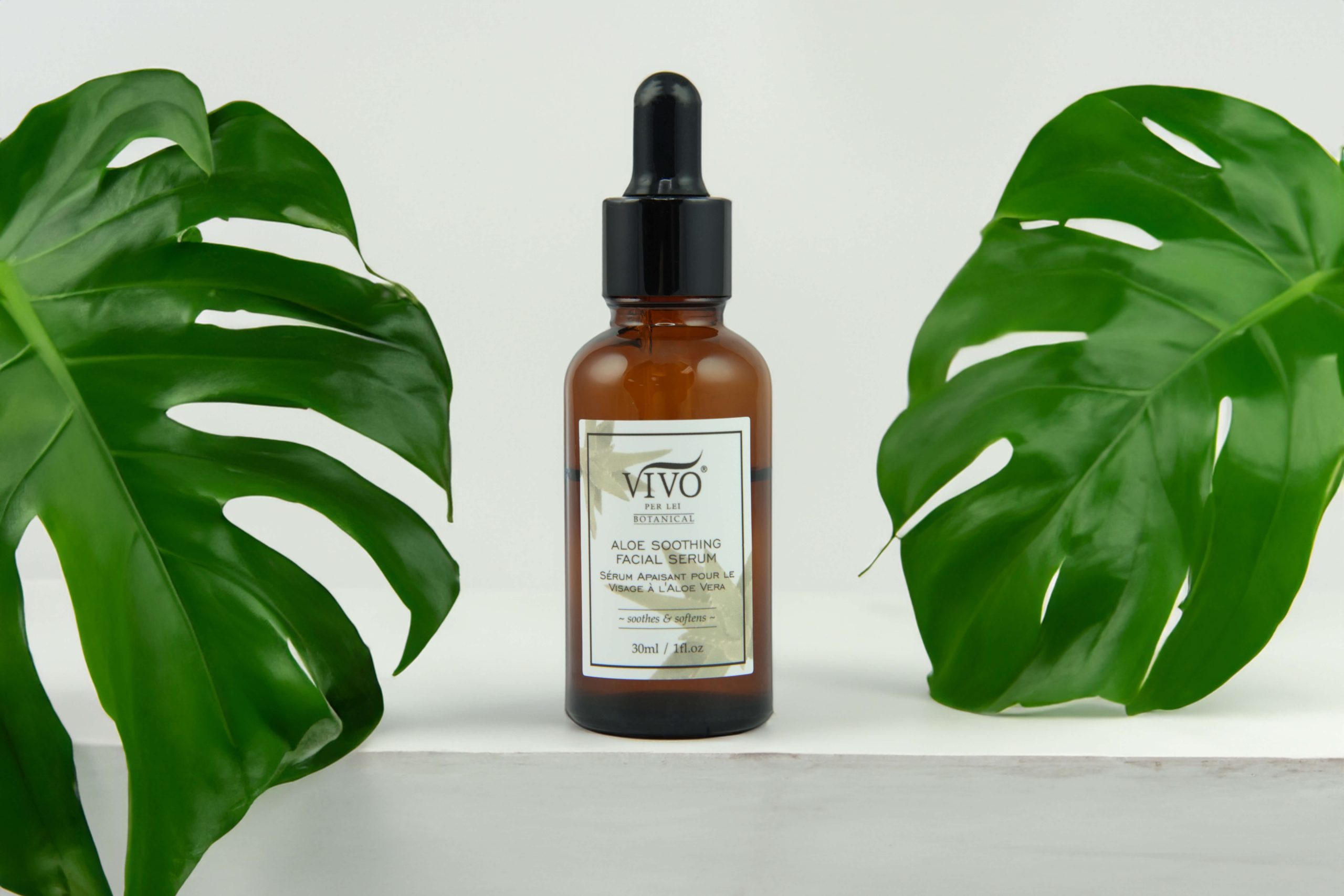
Ideally, every product in your skincare routine should contain at least one or two humectants. However, it would also be worth adding a hydration-focused serum to your skincare routine. The Vivo Per Lei Aloe Soothing Facial Serum, for example, is brimming with hydrating ingredients. It has also been infused with a few ingredients that counter the feeling of inflammation, which dry winter skin and its damaged skin barrier are highly prone to.
Moisturize to Slow Down Moisture Loss
Once you give dry winter skin some extra hydration, isn’t all of that moisture going to soon disappear into the air like the rest of your skin’s moisture reserves? Yes, which is where moisturizing comes in. While some assume that the role of a moisturizer is to give the skin some extra hydration, its primary purpose is actually aiding with moisture retention. Moisturizers form a seal over the skin’s surface, which slows TEWL right down. Without a moisturizer to lock hydration in, your hydrating efforts will be futile.
Of course, some moisturizers are better suited to winter weather than others, so it’s important to make the right choice. Richer blends are more effective at locking moisture in – the thicker your cream, the thicker the seal it forms over the skin’s surface. With that said, you don’t want to end up over-moisturizing with a cream that’s too thick, as this isn’t good for your skin barrier either!
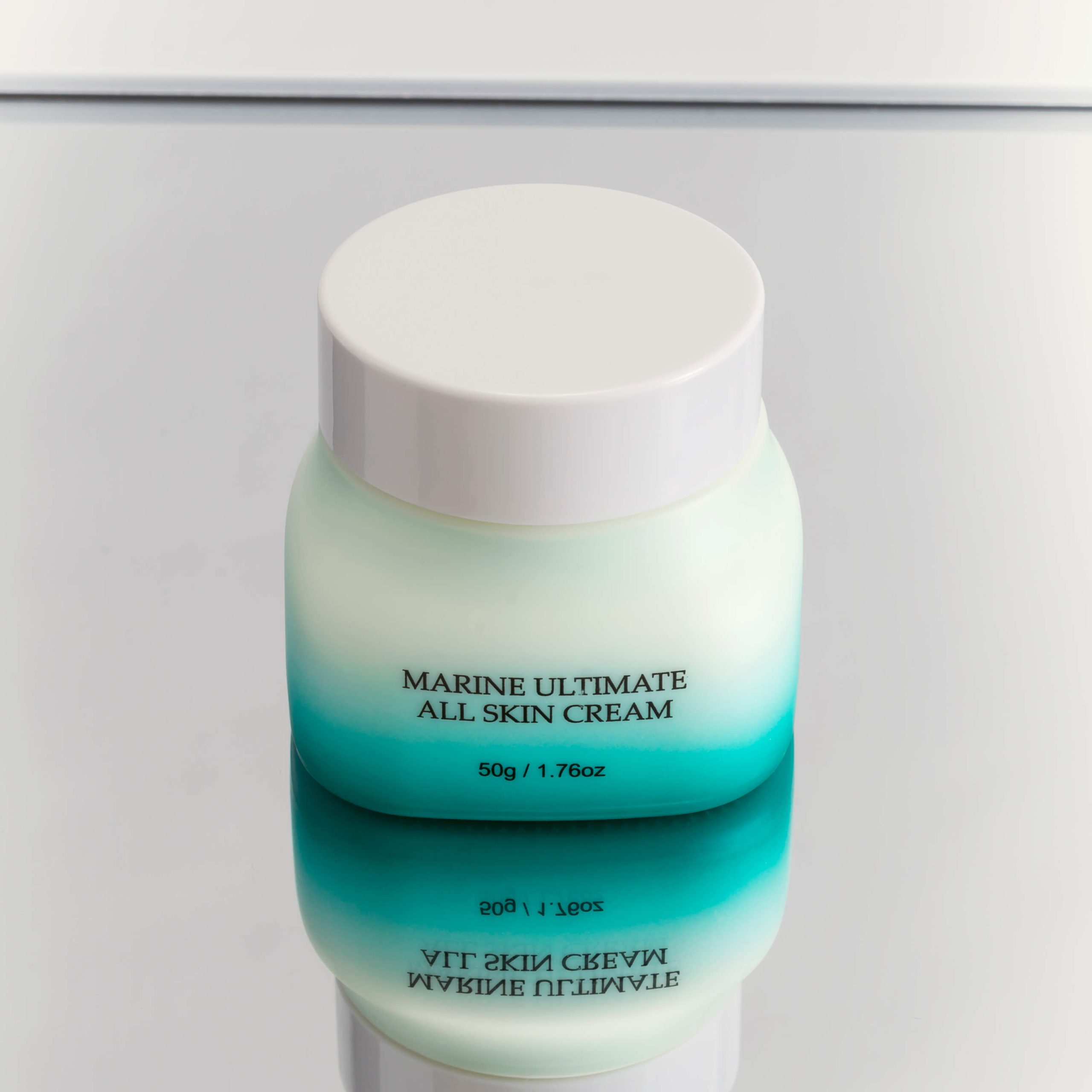
The Vivo Per Lei Marine Ultimate All Skin Cream manages to strike the perfect balance. It hydrates with humectants, traps that moisture in with occlusives, and also contains a few barrier-loving ingredients to keep the skin feeling strong and resilient.
Stay Away From Harsh Soaps and Aggressive Cleansers
As you now know, preserving the integrity of your skin barrier is a key part of tackling dry winter skin. There’s enough out there that damages this barrier in the winter, so the last thing you want to do is cause even more damage to this barrier yourself.
Unfortunately, this is exactly what happens when harsh soaps and cleansers are used in the winter. While you may have needed a powerful cleanser in the summer to remove excess grease, this isn’t required in the winter when oil production slows down.
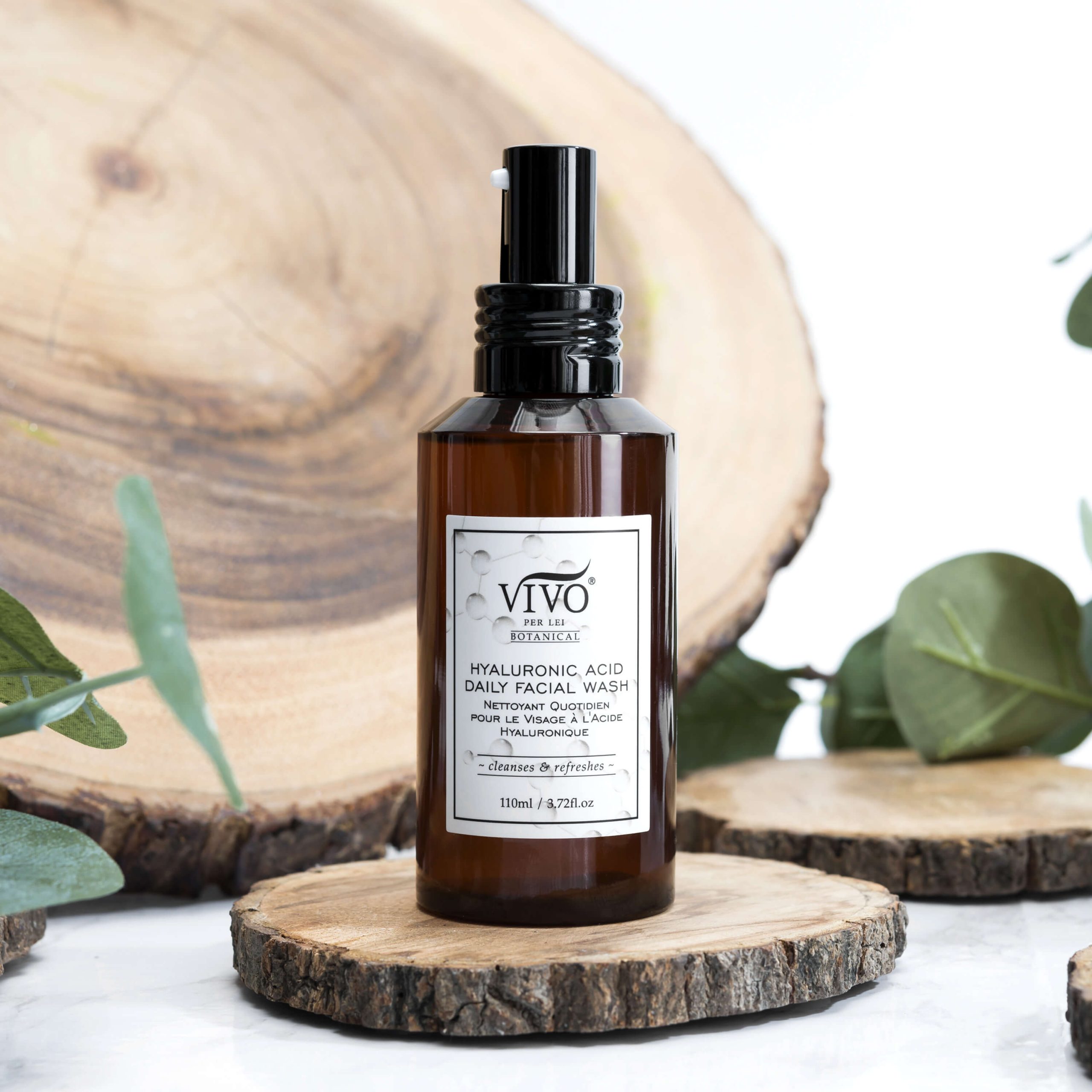
To keep your skin barrier feeling safe and intact, always opt for a sulfate-free cleanser, especially in the winter. Instead, pick a formula that uses gentler cleansing agents while also packing plenty of hydrating and moisturizing ingredients, just like the Vivo Per Lei Hyaluronic Acid Daily Facial Wash. With sodium hyaluronate, hemp seed oil, vitamin C, jojoba esters, and amino acids, you definitely won’t have to worry about this cleanser leaving your skin feeling dry!
Cut Back on Exfoliation
Just like when using harsh cleansers, exfoliating too much can also cause some serious problems, especially in the winter. Over-exfoliation slowly destroys the skin’s natural protective barrier to the point where it can sometimes take several months to heal.
In most cases, you should be cutting out one exfoliation session a week once summer turns to winter. If you exfoliate three times a week in the summer, drop this down to twice a week in the winter, and so on.
If you suspect that your dry winter skin could be down to over-exfoliation, then you’ll need to completely stop exfoliating for a while. Your skin barrier will need plenty of time to recuperate, after which you can gradually start adding an exfoliator back into your skincare routine.
Stop Taking Long, Hot Showers
Earlier, we talked about how hot water can cause major damage to the skin’s natural protective barrier. Sebum starts to melt at 86°F, meaning that the temperature of any water that comes into contact with your skin should ideally not be too much higher than this.
The length of your shower can really affect your skin too. The constant jet of water hitting your skin causes physical damage to the skin barrier.
While this may spell bad news for those of you who enjoy languishing in long, hot showers, cutting back on these could quickly bring about a big improvement in your skin.
Give Your Complexion a Weekly Moisture Boost
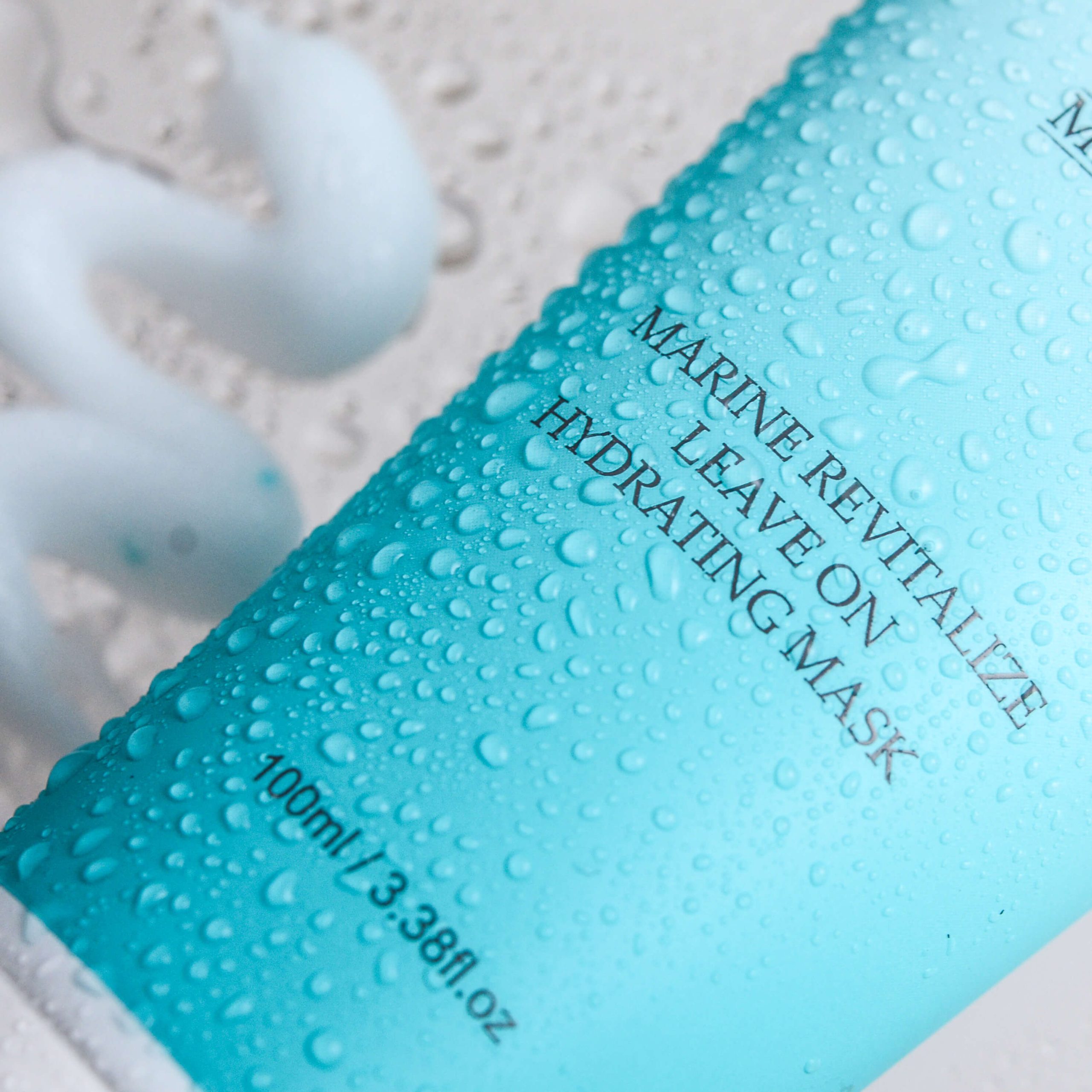
As mentioned, your daily skincare routine should be geared toward giving your skin as much moisture as possible. However, once a week (or more, if your skin is severely dry), you could give your skin an extra moisture boost in the form of a face mask.
Masks can be great for providing intense hydration. They’re designed in a way that promotes absorption, ensuring that your skin is able to drink up plenty of moisture while the mask is sitting on your skin.
Just like with all skincare products, some masks are more hydrating than others, so pick a formula that’s well-suited to dry winter skin. The Vivo Per Lei Marine Revitalize Leave On Hydrating Mask is a bestseller in the colder season for this exact reason. Being a leave-on mask, it enjoys extended contact with the skin, enabling its hydrating ingredients to really saturate the skin.
The Vivo Per Lei Magnetic Deep Hydration Mask is also worth checking out. Not only is it loaded with hydrating ingredients, but it also contains a long list of antioxidants. Peptides can be found in this mask as well, with all of these superstar ingredients left behind to soak into the skin once the mask has been removed. Plus, if you’ve never used a magnetic mask before, it will inject some fun into your skincare routine!
Keep Your Body Well Hydrated
Although skin cells aren’t prioritized when it comes to how the body redirects water, a lack of internal water will, of course, affect how hydrated your skin feels. This, in turn, will have an impact on dryness. Keep your body well hydrated, however, and you won’t need to worry about your skin missing out on being hydrated from within.
This is easier said than done in the winter. The heat-triggered thirst that you feel in the summer disappears, meaning that you’ll sometimes need to make a conscious effort to ensure that you’re drinking your eight glasses of water a day. However, don’t forget that other beverages contribute to this intake too. Tea, including herbal tea, is a great way to boost your body’s hydration levels while also consuming an array of powerful antioxidants.
Many people don’t realize that you can eat water as well! Some foods, such as lettuce, strawberries, and watermelon, are famous for having a high water content. While these may not be seasonal in the winter, keep an eye out for sweet potatoes, squashes, citrus fruits, and leafy greens, as they’re all extremely hydrating too!
Dealing With Dry Winter Skin
Dry winter skin can be frustrating to deal with, especially once the skin consistently takes on a dull and rough finish. If you’ve tried one or two of the above methods without much success, this is likely where you’re going wrong. The issue needs to be tackled from multiple angles, meaning that all of the tips that we’ve shared above need to be followed if you want to see some deep improvements in your complexion.
Click here to elevate your winter skincare routine with more bestselling products from Vivo Per Lei.